The AFCON Conundrum: A Strategic Hurdle for Manchester United
The global football transfer market is a high-stakes arena, where clubs meticulously weigh myriad factors before committing to multi-million-pound investments. For an institution like Manchester United, operating under the intense spotlight of Old Trafford, every decision is scrutinized. One increasingly influential factor, particularly concerning talent from the African continent, is the Africa Cup of Nations (AFCON). This biennial tournament, held typically in January and February, often clashes directly with crucial periods in the European club season, creating a significant strategic dilemma.
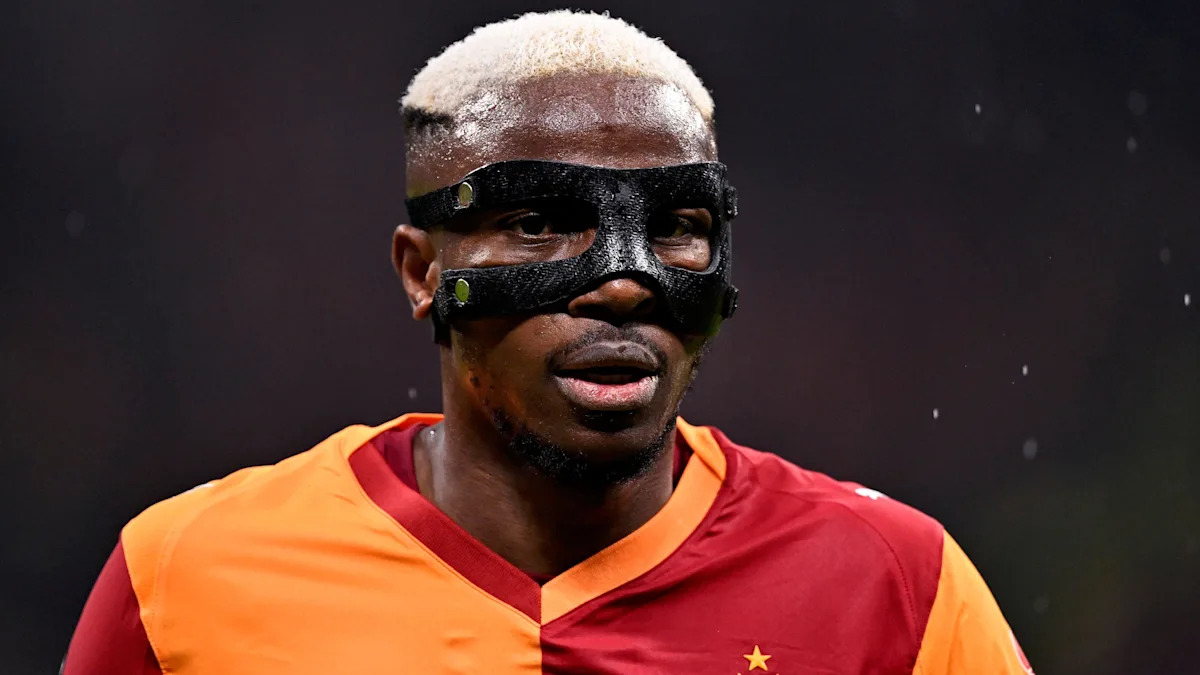
The most prominent recent example illustrating this complex challenge involved highly sought-after Nigerian striker Victor Osimhen. Reports indicated that Manchester United had cooled their interest in the prolific forward, with sources close to the club suggesting AFCON commitments played a pivotal role in this decision. Osimhen, a formidable presence on the pitch known for his goal-scoring prowess and tireless work rate, represented precisely the kind of elite talent capable of elevating United's attacking line. However, the prospect of investing a substantial sum in a player who would then be unavailable for a significant portion of the critical mid-season period reportedly gave the Red Devils pause.
For a club with ambitions of competing for top honors in the Premier League and European competitions, missing a star player, especially a striker, for potentially six weeks or more can be crippling. This absence doesn't just impact goal output; it disrupts tactical continuity, team chemistry, and the manager's ability to execute long-term plans. The pressure to deliver consistent results at Man United's Old Trafford is immense, and any factor that compromises this stability is a serious consideration in transfer dealings.
Weighing the Investment Against Availability
The financial outlay required to sign a player of Osimhen's caliber is astronomical. Transfer fees often exceed £100 million, coupled with significant wages. From a purely business perspective, a club must evaluate the return on investment. If a key player is guaranteed to be absent for a chunk of the season due to international duty, it inherently devalues their immediate contribution, at least in the short term. This isn't a slight against the player's talent or commitment to their national team; it's a pragmatic assessment of squad availability and operational efficiency.
Imagine Manchester United, in the thick of a title race or navigating the knockout stages of the Champions League, suddenly losing their talismanic striker. The consequences could range from dropped points in the league to early exits from cup competitions, both of which have severe financial and reputational ramifications for a club of United's stature. The decision to step back from a player like Osimhen, despite his obvious quality, highlights a cold, hard truth of modern football: immediate availability and sustained contribution are often prioritized over raw talent when significant financial resources are at stake. Clubs like Manchester United, with their global fanbase and immense pressure to succeed, simply cannot afford to take unnecessary risks with their squad planning.
Beyond Osimhen: Broader Implications for African Talent and Club Strategy
The Osimhen saga isn't an isolated incident; it underscores a broader, potentially worrying trend for African footballers. While clubs enthusiastically scout and sign top talents from across Africa, the timing of AFCON inevitably creates a unique hurdle. Are clubs like Manchester United, and indeed others across Europe's top leagues, becoming more reluctant to pursue African players, particularly those who are linchpins for their national teams? This perception, if it grows, could inadvertently create an unfair disadvantage for a continent rich in footballing talent.
Manchester United's long-term squad planning must now explicitly account for AFCON. This could mean a shift in scouting priorities, favoring players from nations whose international tournaments don't clash with the European calendar, or a greater emphasis on developing a squad deep enough to absorb such absences without significant disruption. The club's strategy at Man United Old Trafford needs to be robust enough to handle these challenges while still attracting world-class talent. For more detailed insights into this specific situation, refer to: AFCON Factor: Why Man Utd Ruled Out Osimhen Signing.
Squad Depth vs. Star Power: A Balancing Act
The debate over squad depth versus relying on a few star players is perpetual in football. For clubs competing on multiple fronts – domestic league, domestic cups, and continental competitions – squad depth is not merely a luxury; it's a necessity. Losing a star player, even temporarily, puts immense pressure on backup options and forces managers to adapt their tactics, potentially compromising their preferred style of play. While a player like Osimhen brings undeniable star power, his mid-season absence forces the club to confront the limitations of relying too heavily on a single individual.
For Manchester United, this means carefully constructing a squad where every position has at least two high-quality options, ensuring that injuries, suspensions, or international duties do not derail their season. It's a delicate balancing act, as maintaining a large squad of top-tier players is incredibly expensive. However, the cost of not having adequate cover, especially during crucial periods, can be even higher in terms of lost trophies and revenue. The club's recruitment team must consider a player's full calendar, not just their on-field ability, when making transfer decisions aimed at bringing success to Old Trafford.
Navigating the Transfer Market: Tips for Clubs and Agents
The AFCON dilemma presents a challenge but also an opportunity for innovation in the transfer market. Both clubs and player representatives need to adapt their strategies to ensure that top African talents continue to thrive in European football without unduly penalizing clubs. For more on the specific transfer impact, see: Man Utd Osimhen Transfer: AFCON Halts Deal.
- For Clubs (like Manchester United):
- Proactive Scouting & Planning: Identify potential AFCON absentees well in advance and have contingency plans. This might involve signing versatile players who can cover multiple positions or having a robust youth academy ready to step up.
- Contractual Clauses: Explore possibilities of including specific clauses related to international duty, perhaps linked to wages or bonus structures, although this can be a contentious area.
- Squad Rotation & Depth: Invest in a larger, more balanced squad where the absence of one or two key players isn't catastrophic. This allows for planned rotation and better management of player fatigue.
- Long-Term Vision: Weigh the player's overall contribution over their entire contract against short-term absences. A generational talent might be worth the occasional disruption.
- For Agents and Players:
- Highlighting Consistent Performance: Demonstrate the player's ability to maintain high performance levels both before and after AFCON, minimizing the perceived disruption.
- Emphasizing Leadership & Intangibles: Beyond mere goals or assists, agents can highlight a player's leadership qualities, adaptability, and positive influence on team morale, which are constant regardless of international breaks.
- Strategic Career Planning: In some instances, players might make career choices that consider AFCON's timing, though this is rare given the prestige of playing for one's national team.
The Fan Perspective at Old Trafford
Ultimately, the decisions made by the club resonate deeply with the fanbase. Supporters at Old Trafford yearn for success and expect the club to field the strongest possible team. While some fans might understand the pragmatic financial and logistical reasons behind ruling out a transfer due to AFCON, others will simply want the best available talent, regardless of temporary absences. There's a constant tension between the romantic ideal of signing star players and the harsh realities of squad management in elite football. The club's communication around such decisions becomes crucial in managing expectations and maintaining fan trust.
The AFCON tournament, while a celebration of African football, undeniably presents a unique strategic challenge for clubs operating in European leagues, particularly those like Manchester United with sky-high ambitions. The reported decision regarding Victor Osimhen highlights the intricate balance between acquiring world-class talent and ensuring consistent availability during critical periods of the season. As the transfer market continues to evolve, clubs will need increasingly sophisticated strategies to navigate these complexities, ensuring that their pursuit of glory at Old Trafford is not hindered by calendar clashes, while simultaneously continuing to value and integrate the immense talent Africa offers to the global game.